Educational information: This article does not diagnose a condition or replace individualized medical care. Seek urgent or emergency care for concerning symptoms.
The word “hormones” covers different decisions
Menopausal hormone therapy, thyroid replacement, contraception, fertility medication, testosterone therapy, and treatment for other endocrine disorders are not versions of the same protocol. Each has different indications, benefits, risks, and monitoring.
Treatment should be connected to a clinical question—not offered because a broad panel contains a number outside someone’s preferred “optimal” range.
For menopause, goals and route matter
Systemic hormone therapy can be effective for vasomotor symptoms such as hot flashes and night sweats and may address other menopausal concerns for appropriate candidates. Local vaginal therapy may be considered for genitourinary symptoms. Personal history, uterus status, age, timing, and risk factors shape the discussion.
- Clarify the symptom or condition being treated
- Review nonhormonal and hormonal options
- Discuss route, dose, expected benefit, uncertainty, and risk
- Set a plan for follow-up and reassessment
A prescription is not the finish line
Good care includes monitoring response, side effects, bleeding patterns, blood pressure or labs when indicated, and whether the treatment still fits. New symptoms or changes in risk can require adjustment, additional evaluation, or discontinuation.
Shared decision-making means you receive enough information to choose—not that every requested treatment is automatically medically appropriate.
Clinical sources
These sources support the general education above. Individual recommendations depend on your history and current guidance.
ACOG: Hormone Therapy for Menopause ↗Endocrine Society: Testosterone Therapy Guideline ↗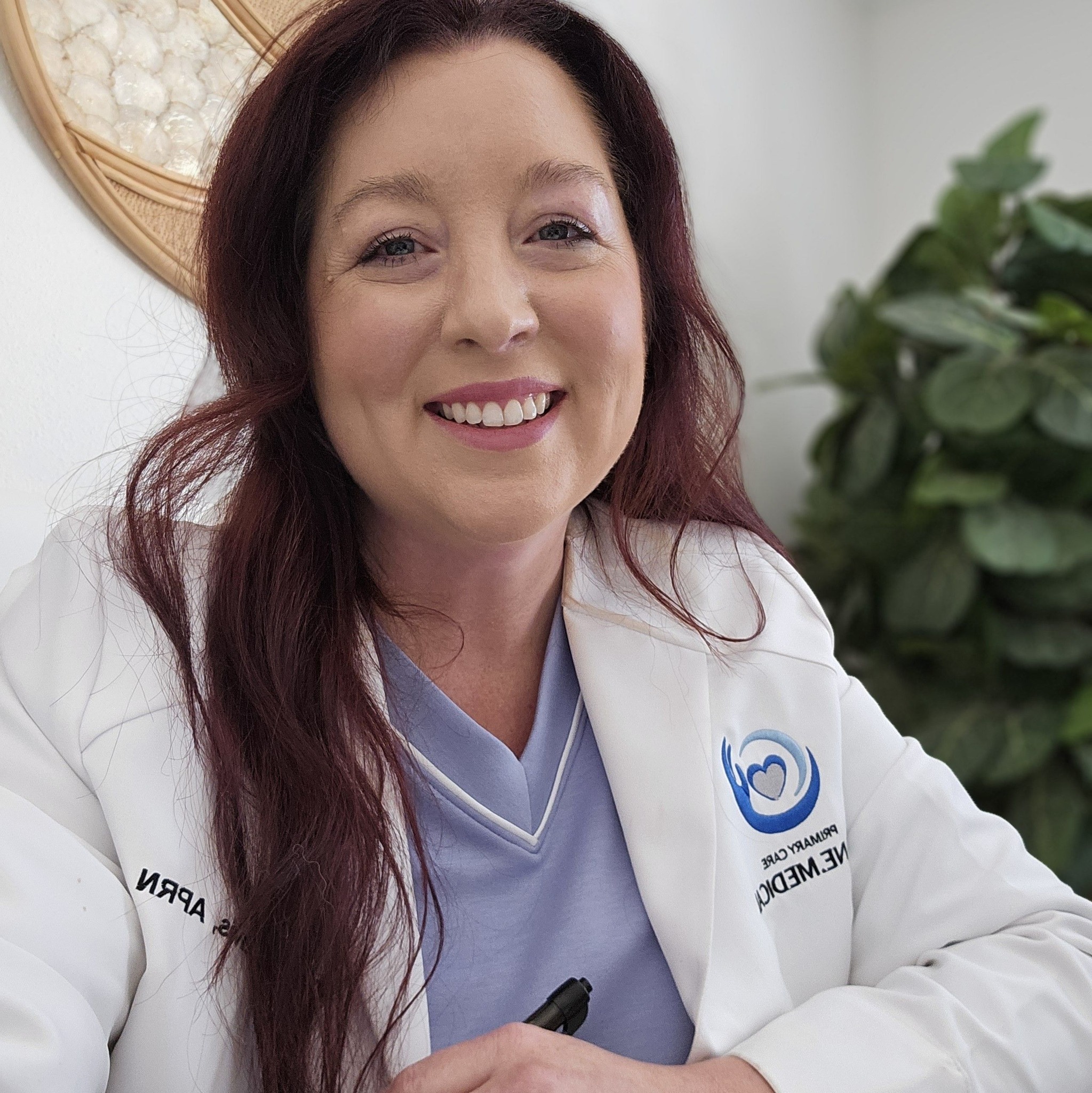
About the author
Dr. Amanda Davis, DNP, FNP-C
Board-certified family nurse practitioner and founder of SANE.Medical, bringing emergency, trauma, forensic, and whole-body clinical perspective into clear, safety-rooted care.
Meet Dr. Davis →