Educational information: This article does not diagnose a condition or replace individualized medical care. Seek urgent or emergency care for concerning symptoms.
An IV is a route of administration—not a guarantee
Intravenous therapy delivers fluid and selected ingredients directly into the bloodstream. That can be medically useful in appropriate circumstances, but the route itself does not prove that a blend will increase energy, prevent illness, detoxify the body, slow aging, or treat a disease.
Benefits depend on the clinical reason, hydration status, ingredients, dose, health history, and evidence for the intended use.
Screening matters
IV therapy is not appropriate for everyone. Kidney or heart conditions, pregnancy, medications, allergies, electrolyte concerns, iron disorders, G6PD status for certain high-dose protocols, and active symptoms may change eligibility or require another level of care.
- Know every ingredient and dose before treatment
- Discuss possible interactions and contraindications
- Use sterile products from appropriate sources
- Understand common risks such as bruising, infection, infiltration, fluid overload, or reaction
- Seek diagnostic care when symptoms may represent illness rather than simple dehydration
Supportive care should be described honestly
Hydration may help when someone is truly volume-depleted and clinically appropriate for outpatient care. A documented nutrient deficiency may deserve targeted treatment. Those are different claims from saying an infusion “boosts immunity” or cures fatigue.
At SANE.Medical, public descriptions identify intended wellness goals—not guaranteed effects. Final ingredients and eligibility remain subject to medical screening.
Clinical sources
These sources support the general education above. Individual recommendations depend on your history and current guidance.
NIH ODS: Vitamin C Fact Sheet for Health Professionals ↗FDA: Sterile Compounding Ingredient Safety ↗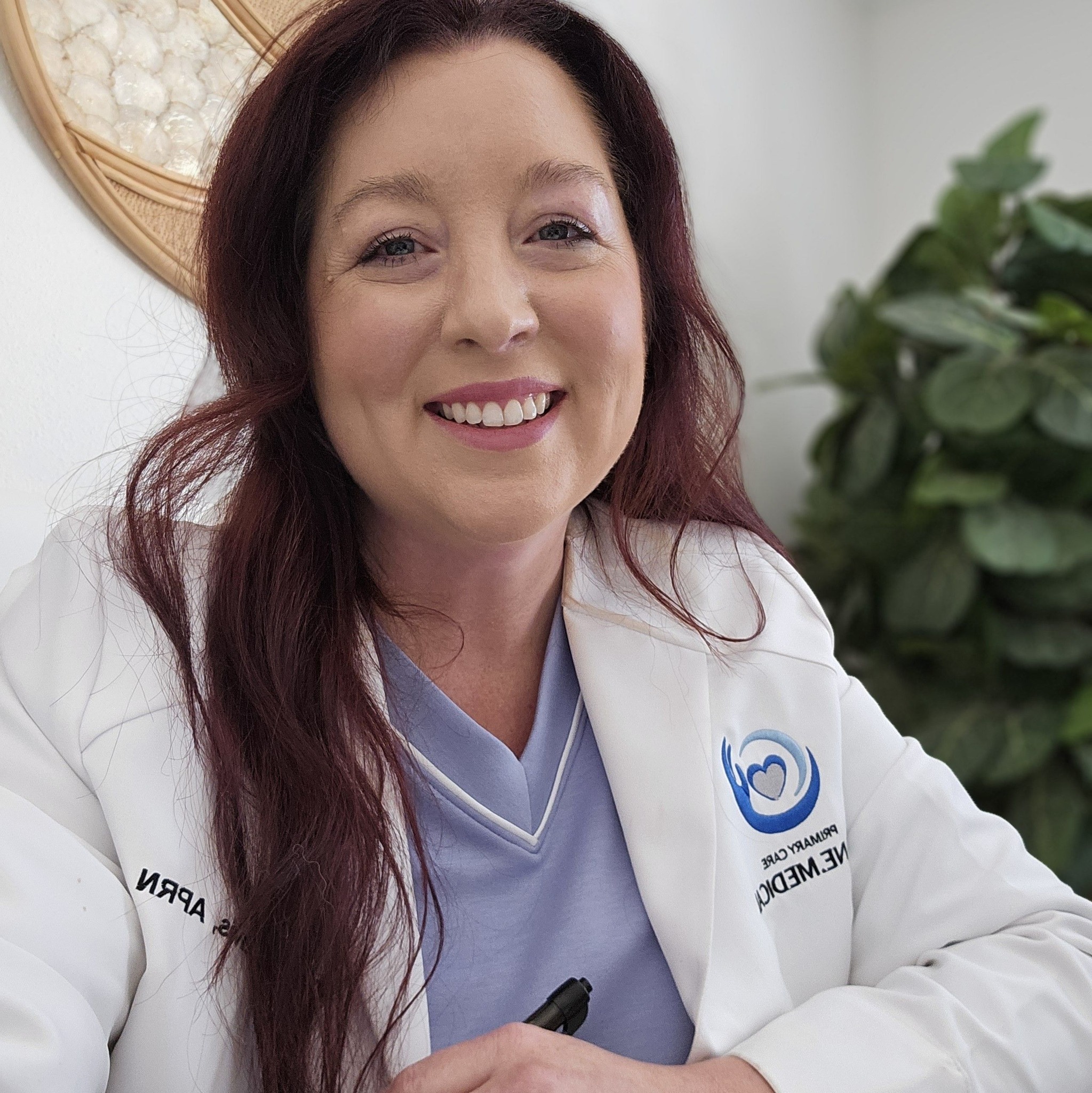
About the author
Dr. Amanda Davis, DNP, FNP-C
Board-certified family nurse practitioner and founder of SANE.Medical, bringing emergency, trauma, forensic, and whole-body clinical perspective into clear, safety-rooted care.
Meet Dr. Davis →