Educational information: This article does not diagnose a condition or replace individualized medical care. Seek urgent or emergency care for concerning symptoms.
A checklist is only the beginning
Preventive screening is designed to find certain conditions before symptoms appear, when early action may improve outcomes. The right schedule is not identical for every person. Age, anatomy, family history, smoking history, pregnancy, medications, previous results, and personal risk all matter.
Common areas to review
Depending on your history, a prevention conversation may include blood pressure, cholesterol and diabetes risk, breast and cervical cancer screening, colorectal cancer screening, lung cancer eligibility, bone health, infectious disease screening, mental health, vaccines, and reproductive planning.
- Breast screening recommendations depend on age and risk
- Colorectal screening generally begins at age 45 for average-risk adults
- Cervical screening depends on age, prior results, anatomy, and risk
- Lung cancer screening is limited to people who meet age and smoking-history criteria
- Vaccines vary by age, health conditions, occupation, travel, and pregnancy
Screening is not diagnosis
An abnormal screening result does not automatically mean disease, and a normal screening result cannot rule out every condition. Screening can lead to additional testing, false-positive results, overdiagnosis, or procedures, which is why benefits and harms should be discussed.
If you already have symptoms, the visit is no longer simply screening. Symptoms deserve a diagnostic evaluation based on what is happening now.
Clinical sources
These sources support the general education above. Individual recommendations depend on your history and current guidance.
USPSTF: A and B Preventive Recommendations ↗CDC: Recommended Vaccines for Adults ↗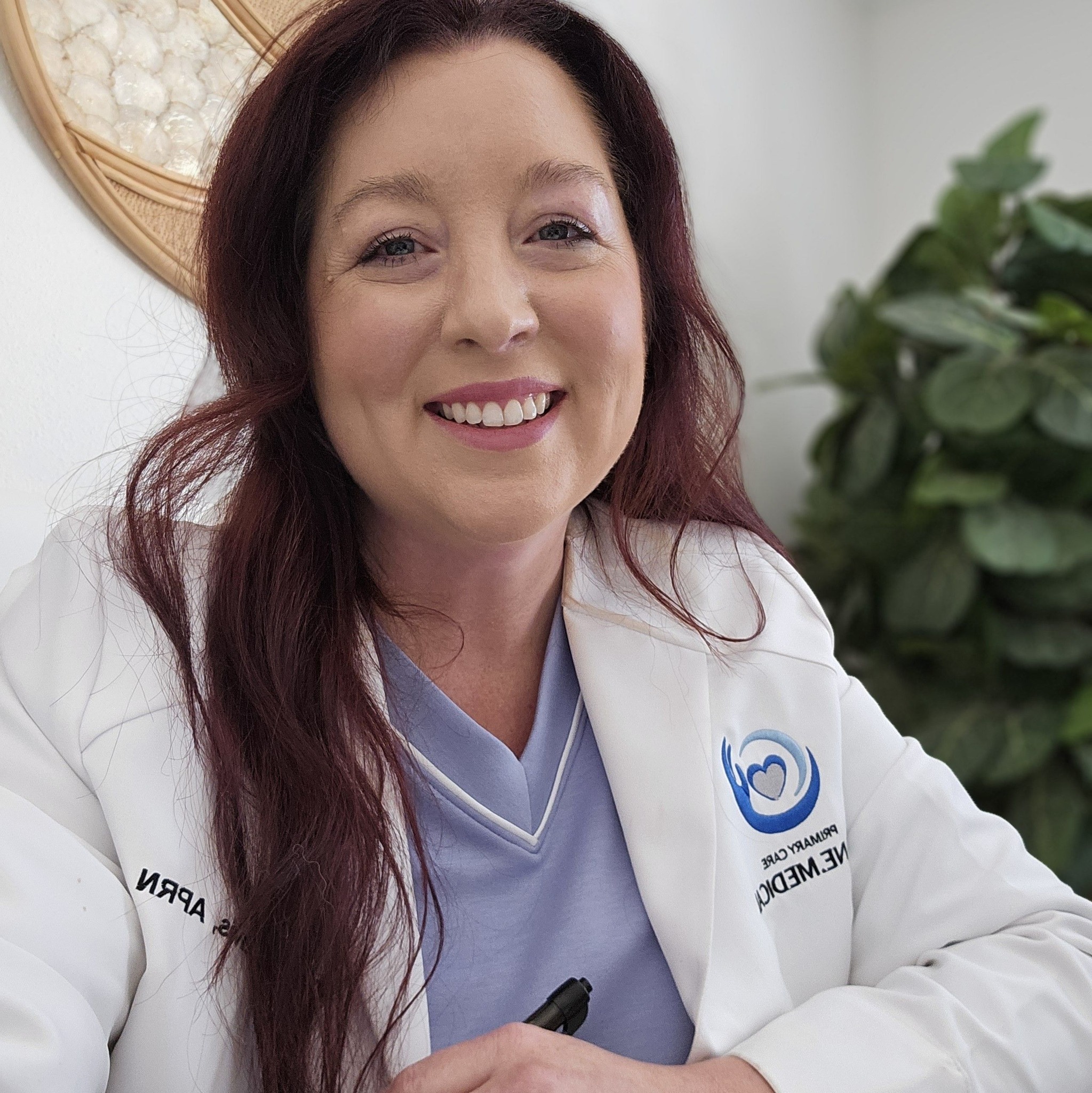
About the author
Dr. Amanda Davis, DNP, FNP-C
Board-certified family nurse practitioner and founder of SANE.Medical, bringing emergency, trauma, forensic, and whole-body clinical perspective into clear, safety-rooted care.
Meet Dr. Davis →