Educational information: This article does not diagnose a condition or replace individualized medical care. Seek urgent or emergency care for concerning symptoms.
PCOS has a new name: PMOS
In 2026, polycystic ovary syndrome (PCOS) was renamed polyendocrine metabolic ovarian syndrome (PMOS). The updated name better reflects a condition that can involve reproductive hormones, ovulation, metabolism, skin, mental health and long-term health—not simply ovarian “cysts.”
Patients and search engines will continue to use PCOS during the transition, so both names matter. The name changed; your symptoms, questions and need for individualized care did not.
The symptoms may look unrelated—but they can be connected
Irregular or absent periods may be the first clue. Others notice acne, increased facial or body hair, scalp-hair thinning, difficulty conceiving, weight or metabolic changes, or darkened skin in body folds. Some people have only a few features, and the pattern can change across the lifespan.
These symptoms are not proof of PMOS/PCOS. Thyroid disease, elevated prolactin, pregnancy, hypothalamic causes, medication effects, perimenopause and other endocrine conditions can overlap. A responsible evaluation asks what else could explain the pattern instead of forcing every symptom into one diagnosis.
- Cycles that are persistently long, absent or unpredictable
- Clinical or laboratory signs of higher androgen activity
- Acne, facial or body hair growth, or scalp-hair thinning
- Difficulty identifying ovulation or becoming pregnant
- Insulin resistance, abnormal glucose results or other metabolic concerns
- Sleep, mood or quality-of-life concerns that deserve attention too
Diagnosis is not one ultrasound—or one hormone panel
In adults, current international guidance uses a combination of ovulatory dysfunction, clinical or biochemical hyperandrogenism, and polycystic ovarian morphology after other causes are considered. When irregular cycles and hyperandrogenism are already present, an ultrasound or AMH level is not automatically required to establish the diagnosis.
The word “polycystic” created years of confusion. Ovarian follicles are not the same as pathologic ovarian cysts, and some people with PMOS do not have the ultrasound appearance. AMH can add information in selected adults, but it should not be used as a stand-alone diagnostic test. Adolescents require a more cautious, age-specific approach to avoid overdiagnosis.
- A detailed menstrual and symptom history
- Pregnancy testing when relevant
- Assessment for clinical and biochemical androgen excess
- Targeted testing to exclude overlapping conditions
- Metabolic and cardiovascular risk assessment
- Ultrasound or AMH only when it adds needed diagnostic information
Metabolic health deserves care without blame
PMOS can be associated with insulin resistance, impaired glucose regulation, dyslipidemia, sleep apnea and other cardiometabolic risks. Those risks deserve appropriate screening regardless of body size.
Weight stigma is not a treatment plan. Nutrition, movement, sleep and other health behaviors can be useful, but counseling should be realistic, collaborative and free from shame. When medication is appropriate, it should be connected to the person’s symptoms, metabolic findings, reproductive goals and preferences—not offered as a universal protocol.
Fertility changes the treatment conversation
PMOS is a common cause of ovulatory infertility, but it does not mean pregnancy is impossible. The first question is whether ovulation is occurring consistently and whether any additional female or male fertility factors need evaluation in parallel.
Someone trying to conceive needs a different plan than someone primarily seeking cycle control, acne treatment or long-term metabolic risk reduction. Current international guidance identifies letrozole as the first-line medication for ovulation induction in anovulatory infertility due to PMOS when no other infertility factors are present, but treatment selection requires individualized evaluation and prescribing.
Treatment should match the goal—not the package
There is no single PMOS treatment that fits everyone. Combined hormonal contraception may be considered for menstrual irregularity or androgen-related symptoms in appropriate patients. Metformin may be considered for selected metabolic indications. Anti-androgen therapy requires careful counseling, including pregnancy prevention when relevant. Fertility treatment follows a different pathway.
The right plan may also involve dermatology, nutrition support, sleep evaluation, behavioral-health care, reproductive endocrinology or another specialist. Good care explains why an option is being offered, what it can realistically change, what risks or limits apply, and how progress will be reassessed.
- What symptom or health risk are we treating?
- Are pregnancy or future fertility goals part of the decision?
- What alternatives are available?
- What monitoring is appropriate?
- When should another specialist become involved?
When should you seek an evaluation?
You do not need to wait until you are trying to conceive. Persistently irregular or absent periods, new androgen-related symptoms, difficulty becoming pregnant, or metabolic concerns are reasonable reasons to ask for an evaluation now.
For patients in Navarre and nearby Gulf Breeze, the useful starting point is not the largest possible lab panel. It is a focused history, thoughtfully selected testing and a plan that connects cycles, hormones, metabolism and reproductive goals without reducing you to one symptom or one number.
Common questions
PMOS/PCOS questions patients ask
Is PCOS now called PMOS?
Yes. In 2026, polycystic ovary syndrome (PCOS) was renamed polyendocrine metabolic ovarian syndrome (PMOS). Both terms are being used during the transition.
Do you need ovarian cysts to have PCOS or PMOS?
No. The condition is not diagnosed simply by finding ovarian cysts, and not every patient has polycystic ovarian morphology. Diagnosis uses the overall clinical pattern after overlapping causes are considered.
Can AMH diagnose PCOS or PMOS?
AMH may contribute to diagnosis in selected adults, but it should not be used as a stand-alone test. Cycle history, androgen signs or testing, other possible causes and the clinical context still matter.
Can PCOS or PMOS make it harder to become pregnant?
It can interfere with regular ovulation and is a common cause of ovulatory infertility, but many people with PMOS become pregnant. Evaluation should also consider other female and male fertility factors.
Where can I be evaluated for PCOS or irregular periods near Navarre?
SANE.Medical in Navarre provides whole-person evaluation for irregular cycles, hormone concerns, metabolic health and preconception planning. Care may include targeted testing, treatment planning and referral when specialty fertility care is appropriate.
Your symptoms belong in one picture
You deserve more than “just lose weight” or “come back when you want a baby.”
Conceive With Clarity™ brings irregular cycles, fertility goals, hormone symptoms, thyroid and metabolic health into one focused medical starting point—with advanced labs, a 60-minute review and a personalized roadmap.
Explore Conceive With Clarity™ · $697 →Clinical sources
These sources support the general education above. Individual recommendations depend on your history and current guidance.
ASRM: 2023 International Evidence-Based Guideline for PMOS/PCOS ↗The Lancet: Polyendocrine Metabolic Ovarian Syndrome—the New Name for PCOS ↗FDA: Polycystic Ovary Syndrome ↗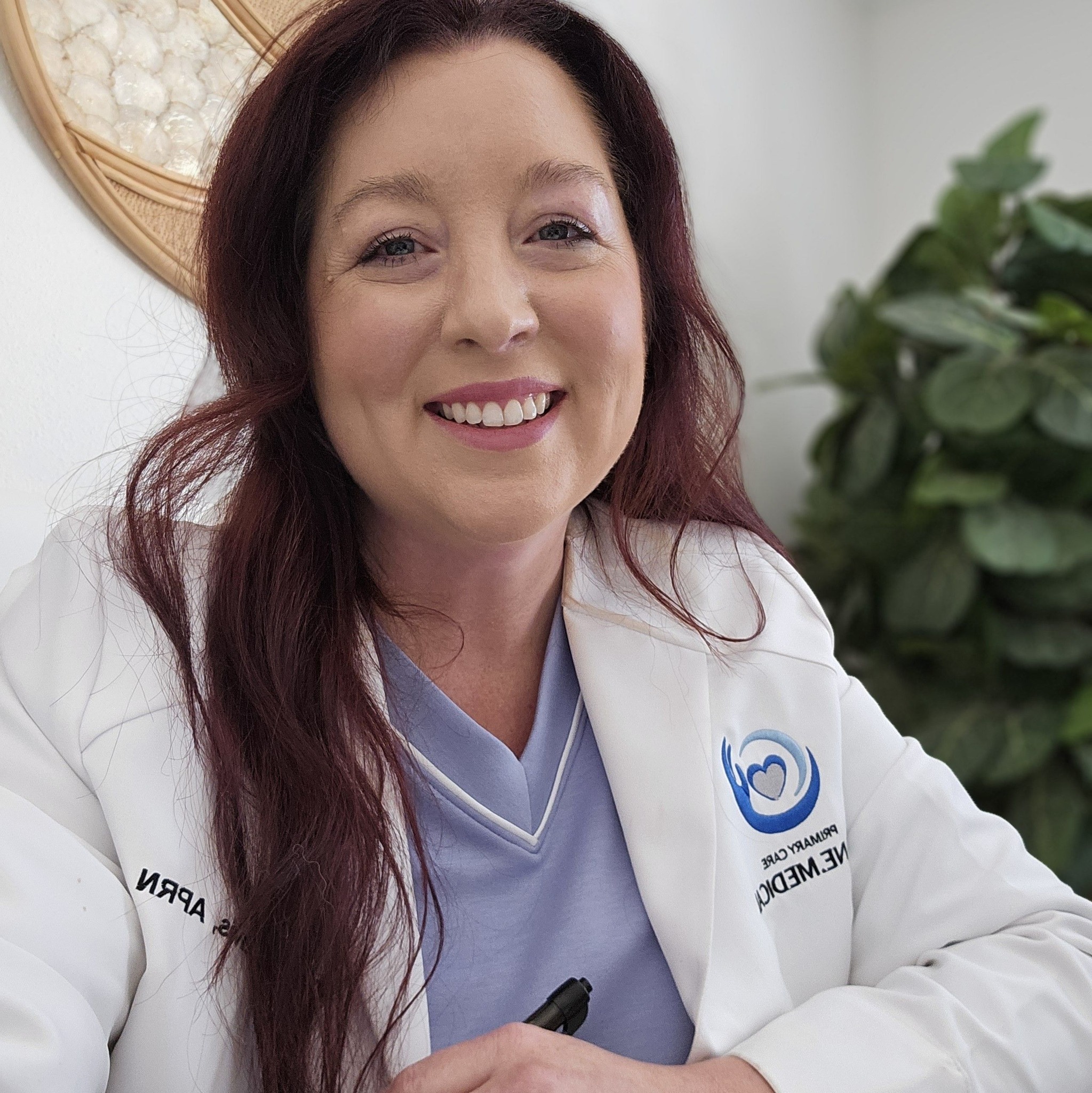
About the author
Dr. Amanda Davis, DNP, FNP-C
Board-certified family nurse practitioner and founder of SANE.Medical, bringing emergency, trauma, forensic, and whole-body clinical perspective into clear, safety-rooted care.
Meet Dr. Davis →